The Hudson River Valley is the chain of towns, parks and grand old estates that lines both banks of the Hudson River, from the northern suburbs of New York City to the cities of Albany and Troy. The thread that holds it together is the river itself, a tidal arm of the sea for 153 miles between Troy and New York Harbor. Nearly every valley town grew up facing that water.
The region is not a county or a single government. It is a shared landscape that state and federal programs mark on maps in different ways. Residents know it town by town, from Yonkers and Tarrytown in the south to Hudson and Troy in the north, and the river ties those towns into one place.
A river that flows two ways
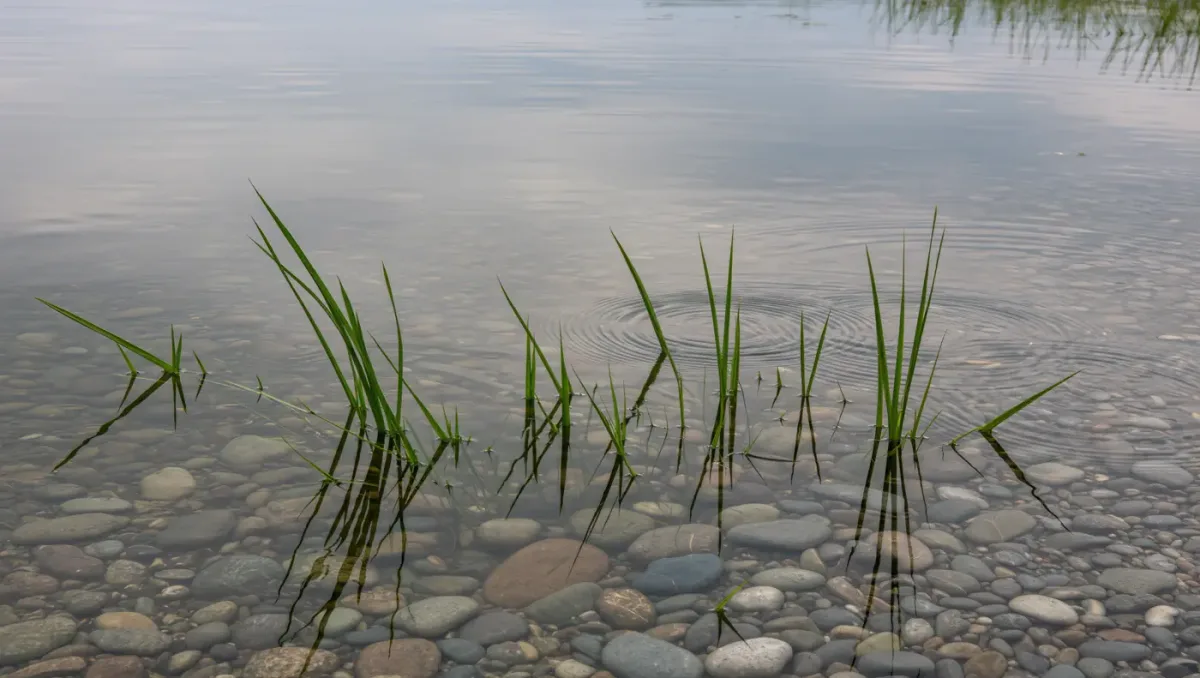
The Hudson behaves like no ordinary river. Its estuary feels the ocean's tidal pulse all the way to Troy, with two high tides and two low tides every twenty-four hours. On a rising tide, water moves upstream. On the fall, it runs back toward the sea.
The salt front shifts with the seasons. Spring runoff pushes it down to the Tappan Zee. Summer flows let it climb to Newburgh Bay, and in droughts it reaches as far north as Poughkeepsie. More than two hundred fish species live in the river and its side streams today.
Henry Hudson sailed up the river in 1609. The Mohican people who lived along it called it Muhheacannituck, the waters that are never still. That name still states the valley's central fact: the water moves twice a day, every day.
How the Hudson River Valley became a recognized place
Congress named the valley a National Heritage Area in 1996. In 2019 the designation took the name it carries now, the Maurice D. Hinchey Hudson River Valley National Heritage Area, for the late congressman who fought for it. The Hudson River Valley Greenway, a state agency, runs the heritage area with the National Park Service.
The numbers behind the honor run large: 289 Greenway communities, 1,002 miles of marked trails and 106 heritage sites, all linked by a trail route that now runs from Manhattan to Washington County. The Erie Canal once tied the valley to the Great Lakes. Today the trails tie the valley to itself.
Town to town along the Hudson River Valley
Travel the valley and the towns tell its story in order. Yonkers holds the southern end with a rebuilt waterfront. Tarrytown and Nyack face each other across the wide Tappan Zee. New Paltz sits below the Shawangunk cliffs in the west, Rhinebeck keeps its Dutch street grid above the east bank, and Hudson anchors the northern stretch with a main street of restored storefronts.
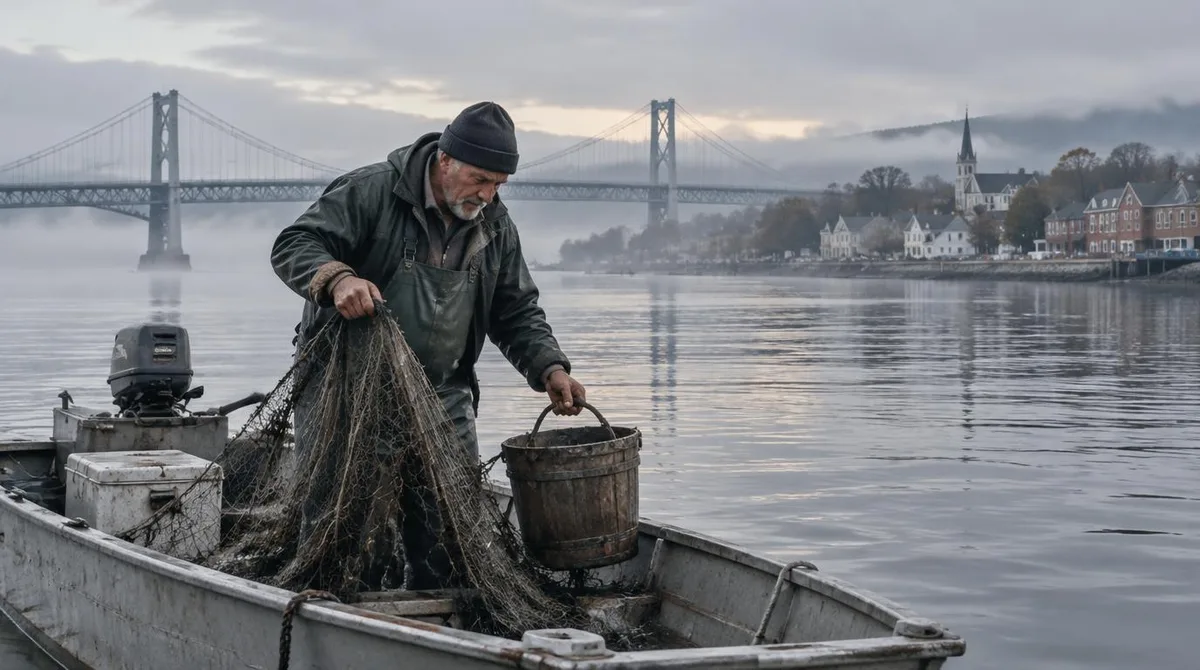
Cold Spring and Beacon draw weekend trains full of hikers and gallery visitors. Kingston keeps its old steamboat docks, and river boats still tie up at towns that once shipped stone, brick and ice down to the city.
Between the towns sit the crossings and stops that frame a valley weekend: the Walkway Over the Hudson at Poughkeepsie, the Breakneck Ridge trails above Cold Spring, and the estate grounds of the riverside counties.
Estates, artists and inherited scenery
The grand houses shaped the valley's image. State travel guides still build trips around estates tied to the Roosevelt, Rockefeller and Vanderbilt families, and Washington Irving's Sunnyside in Tarrytown keeps the literary side of that legacy. The painters of the Hudson River School worked the same views in the 1800s, which is why the valley's name doubles as the name of an art movement.
The same shores now carry trains, kayak launches and farm stands. The bones of the painted landscape remain, which is the quiet argument for protecting it.
Conclusion: one river, many valleys in one
The Hudson River Valley earns its capital letters through repetition: town after town facing the same tidal water, ridge after ridge above it. The region spans 153 miles of estuary inside a river that runs 315 miles from Lake Tear of the Clouds to the Battery. Heritage labels and Greenway trails wrote down what residents already knew, that the river joins places as different as Yonkers and Hudson into one region a visitor can read. Town by town, the valley keeps telling the same story in different accents, and the tides turn its pages twice a day.