Hudson Valley weather runs through four full seasons without a dull stretch in the list. In Poughkeepsie, near the valley's midpoint, the 1991-2020 National Weather Service normals show January highs around 36 with lows near 18, July highs near 85 with lows near 62, and about 42 inches of precipitation spread fairly evenly across the year.
Those numbers come from the climate record that the National Weather Service keeps for the valley, and they describe a genuinely continental climate in a state better known for its harbor city. The annual mean temperature at Poughkeepsie sits near 50 degrees, which means real winters, real summers and a long turn between them.
What Hudson Valley weather does in winter
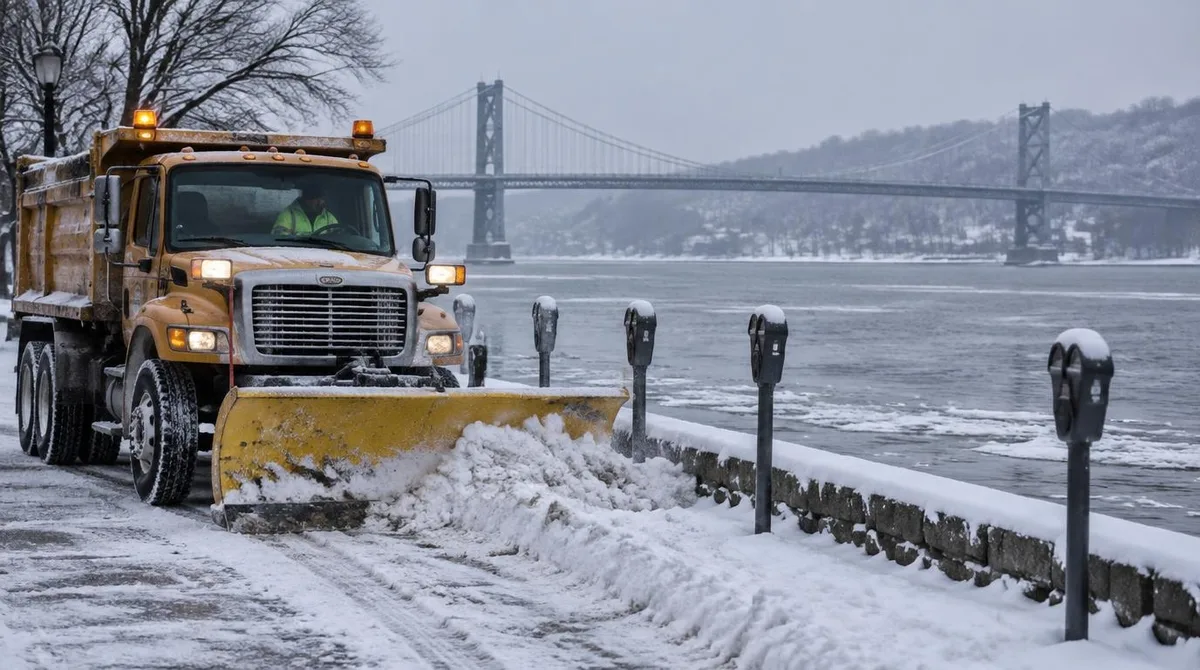
Winter arrives on schedule and stays. January normals at Poughkeepsie run from about 18 at night to about 36 by afternoon, so snow that falls in the shaded valleys tends to hold. Cold snaps push readings well below those marks, and coastal storms can bury the whole corridor in a single day.
The gradient matters as much as the average. The southern valley, closer to the ocean and the city's heat, runs a few degrees milder than the middle and northern stretches, while the hills on both banks hold deeper cold and heavier snow than the river floor. Skiers find the reliable snow west and north; river towns find gray slush by March. The tidal river itself seldom locks up solid south of the highlands, even in cold Januaries.
Summer heat, haze and storms
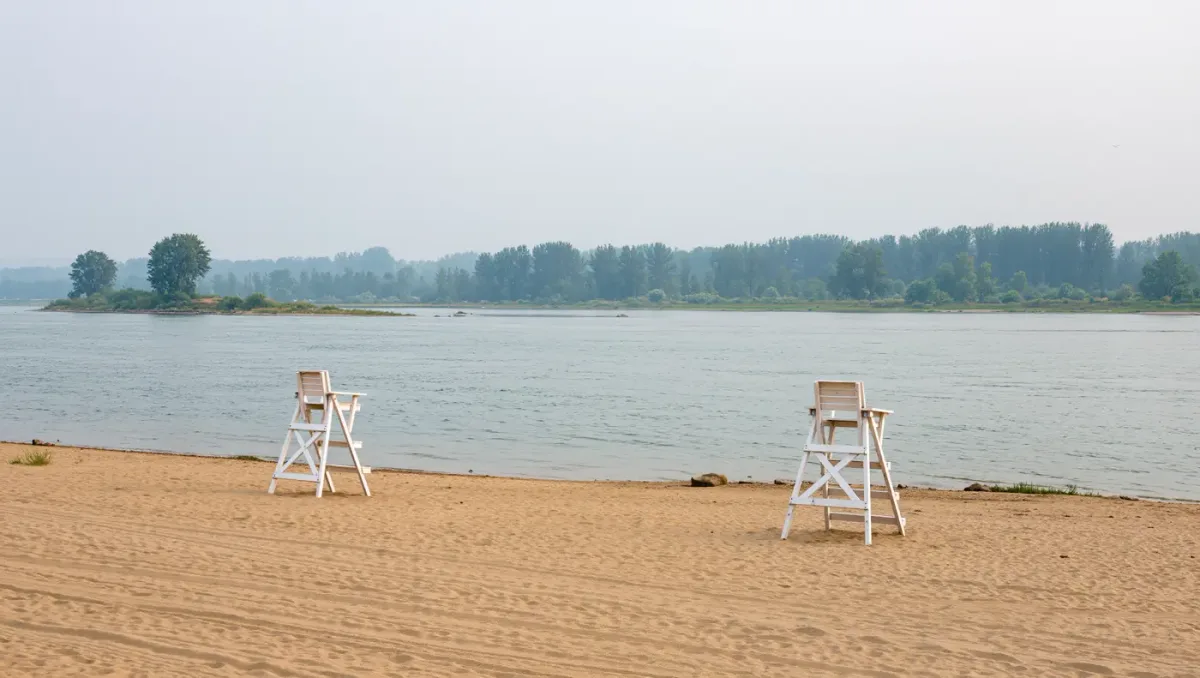
Summer settles in with July highs near 85 and lows near 62 at Poughkeepsie, warm enough for swimming weather and humid enough to make mornings feel soft. Thunderstorms roll through on the hottest afternoons, and the river valley collects its share of haze between them.
Evenings cool more than city residents expect, which is why orchard towns and ridge-top inns fill on weekends. The stretch from late June through August carries the warmest water of the year in the river coves. Rain arrives in short, heavy bursts rather than long soaks, and the valley greens up fast after each one.
Spring and fall, the long turn
Spring climbs in steps rather than a line. March normals at Poughkeepsie still sit near 48 for a high and 27 for a low, April reaches about 61 and 38, and the last frost dates wander well into May in the northern valleys. Rain falls regularly through the season, which keeps the trails muddy and the waterfalls loud.
Fall is the payoff. The same corridor that greys out in March glows for weeks in October, as color moves down from the northern highlands to the river shore. The 41.9 inches of annual precipitation at Poughkeepsie includes the steady autumn rains that sharpen that color year after year.
Why the valley makes its own weather map
Hudson Valley weather owes its character to shape. The river runs tidal all the way to Troy, an arm of the sea that moderates shoreline temperatures in both directions, and the valley floor channels wind and storms between the highlands on either side. The same geography that makes the region scenic makes its forecast local: two towns twenty miles apart can sit in different seasons on the same afternoon. This connects to our earlier piece, Hudson River Valley: A Region Measured in Towns, Tides and Painters.
Elevation writes the fine print. The river floor at Poughkeepsie sits near sea level, while many ridgelines on both sides climb past a thousand feet, so the first snow of the season often falls white on the hills and bare on the shore.
The National Weather Service splits the region between offices for good reason, with the Albany office holding the climate files for Poughkeepsie and points north and the New York office watching the southern valley. Readers following this should also see Hudson Valley New York: The Counties That Make the Region.
Conclusion: plan for four seasons, get all four
Hudson Valley weather delivers the full calendar: January afternoons near 36, July afternoons near 85, and about 42 inches of rain and snow water spread through the year at Poughkeepsie. The valley runs colder and snowier toward Albany, milder toward the city line, and unpredictable at elevation on both ridgelines. Locals treat the climate as a feature rather than a fault, since the same cold that ices the coves sets the apple harvest and the same summer heat fills the river. Anyone planning a visit should check the season first and the forecast second, because the season always wins here. Hudson Valley weather rewards that order of checking every single year.